

In the ever-evolving business landscape, one of the most pressing challenges for owners is navigating the complexities of customer acquisition. As we look ahead to 2026, it’s crucial to understand the expected costs involved in acquiring new customers and how to stop overpaying for leads. By adopting smarter strategies and harnessing technology, businesses can effectively manage their acquisition costs while maximizing return on investment.
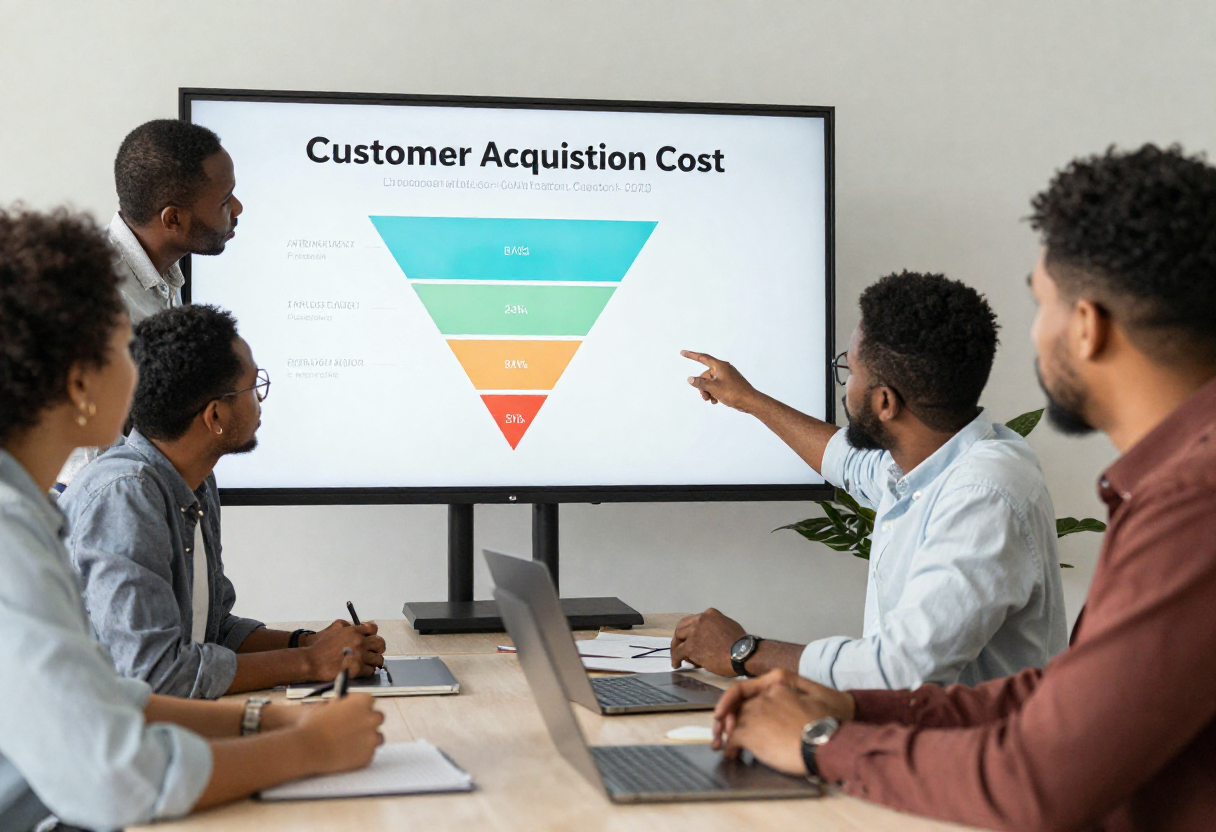
Understanding what constitutes a reasonable cost for acquiring new customers is the first step. The cost per acquisition (CPA) can vary widely depending on industry, target market, and marketing strategies employed. As a benchmark, many businesses operate within a range of 20% to 40% of their customer lifetime value (CLV). Knowing your CLV allows you to establish a more precise budget for your customer acquisition efforts.
It’s essential to analyze your existing lead generation methods to determine where you might be overspending. Traditional advertising, while still effective, often comes with high costs and uncertain returns. Options like print ads, TV spots, or well-placed billboards can quickly drain your advertising budget without guaranteed results. In 2026, digital marketing will continue to dominate, with platforms like Google Ads, social media, and content marketing providing more cost-effective alternatives. Utilize these channels to not only lower your CPA but also to reach a more targeted audience.
One of the most significant advancements in customer acquisition has been the rise of data analytics and artificial intelligence. These technologies allow business owners to track customer behavior and preferences more efficiently than ever before. By leveraging data analytics, you can fine-tune your marketing campaigns, ensuring they resonate with potential customers and minimize wasted ad spend. In 2026, businesses that successfully implement data-driven strategies will have a distinct advantage over competitors who do not.
Another effective strategy is focusing on inbound marketing. Instead of paying for every single lead, create valuable content that educates and engages your target audience. By establishing your brand as a reliable source of information, customers will be more inclined to seek you out, reducing your overall acquisition costs. Whether it’s blogs, videos, or podcasts, high-quality content serves not only to attract new leads but also to build trust and loyalty with existing customers.
In addition, consider the power of partnerships and collaborations. Teaming up with other businesses that complement your offerings can expand your reach and lower costs. Joint marketing efforts can help share the financial burden and tap into each other’s customer bases, effectively reducing your CPA.
For 2026 and beyond, businesses should also prioritize their existing customers. Repeat customers are cheaper and easier to maintain than new ones. Investing in customer retention strategies—such as loyalty programs, personalized communication, and exceptional customer service—can lead to an increase in repeat business, ultimately reducing the necessity for extensive new lead generation.
In conclusion, as we move towards 2026, understanding and optimizing your customer acquisition costs is essential for the sustainability of your business. By embracing innovative technologies, focusing on strategic marketing, and maximizing the value of current customers, business owners can avoid overpaying for leads and achieve a balanced approach to growth. The future of customer acquisition is not only about spending less but spending wisely.
Dipo Adagbada
Lead Consultant & Strategist
CDE, London.
www.cde.ac
corporate@cde.ac