

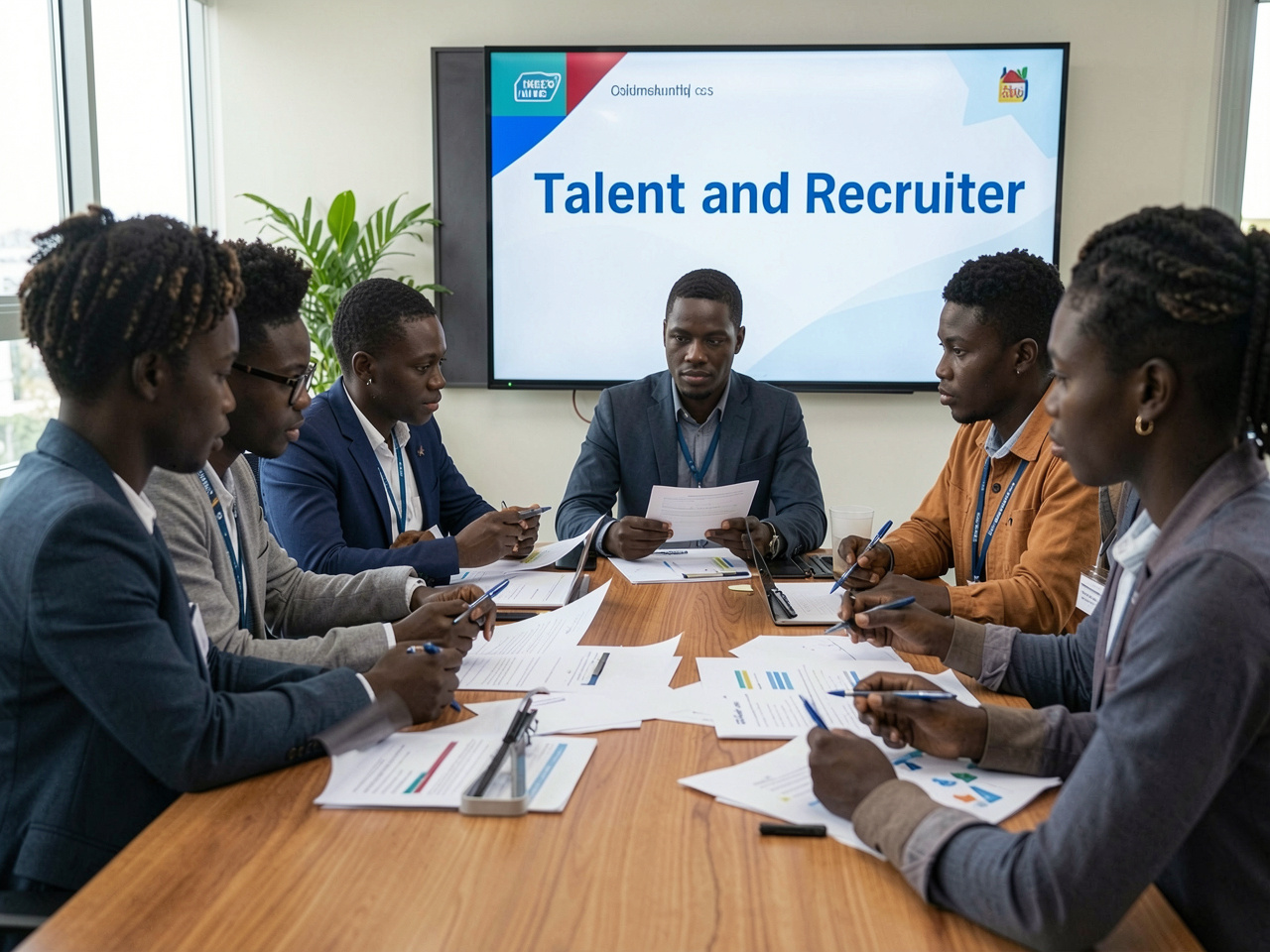
In today’s dynamic business landscape, retaining top talent is one of the most pressing challenges for leaders. The news of your best employee engaging with a recruiter can send waves of anxiety through your organization. In a situation that many leaders dread, it can be tempting to jump to conclusions about their loyalty and commitment. However, understanding this phenomenon requires a more nuanced approach.
First, it’s important to recognize that job-seeking behavior does not inherently signal dissatisfaction with one’s current role. Many professionals, even those excelling in their positions, maintain an open dialogue with recruiters for various reasons. They may be exploring career advancement, seeking a better cultural fit, or simply wanting to understand their market value. Engaging with a recruiter can be viewed as a proactive step in one’s career journey rather than a sign of impending departure.
As a leader, your priority should be to foster an environment that encourages open communication. Try to engage your employee in a candid conversation about their motivations and long-term career aspirations. Rather than rushing to assume they are discontent, use this as an opportunity to reconnect and discuss their goals. This dialogue can unveil areas where the organization might better support and challenge them.
Moreover, the idea that your best employee could leave is often a wake-up call. It highlights the necessity for continuous engagement and development. High performers often thrive on challenge and growth. To retain them, consider implementing personalized development plans that align with their ambitions. Offer opportunities for upskilling, mentorship, and new responsibilities that keep them engaged and excited about their role.

Additionally, evaluation of your company’s culture and employee satisfaction should be an ongoing process. If your top talent is seeking opportunities elsewhere, it may be a sign that your workplace culture is not meeting their needs or expectations. Conduct regular surveys and feedback sessions to gauge employee sentiment. Actively listening to your team’s concerns can provide insights that help you make necessary adjustments, ensuring that everyone feels valued and heard.
It’s also vital to understand the competitive landscape in your industry. Top talent is often in high demand, especially in sectors where skills are scarce. By recognizing this reality, leaders can strategize more effectively to create an environment that not only attracts talent but retains it.
One approach is to review your compensation and benefits packages. While money isn’t everything, competitive salaries and benefits can play a significant role in employee satisfaction. However, monetary compensation is just one piece of the puzzle. Consider offering flexible work arrangements, wellness programs, and recognition initiatives that make your organization an attractive place to work.
In conclusion, while it may be unsettling to discover that your best employee is conversing with a recruiter, it doesn’t have to spell disaster for your organization. Open communication, personalized development, and a focus on culture and satisfaction can transform this situation into an opportunity. By being proactive and responsive to the needs of your employees, you can create an environment where talent not only wants to stay but thrives.